Pre-Born! gives free ultrasounds to women looking to abort their babies and 86% of those women choose to keep their babies!
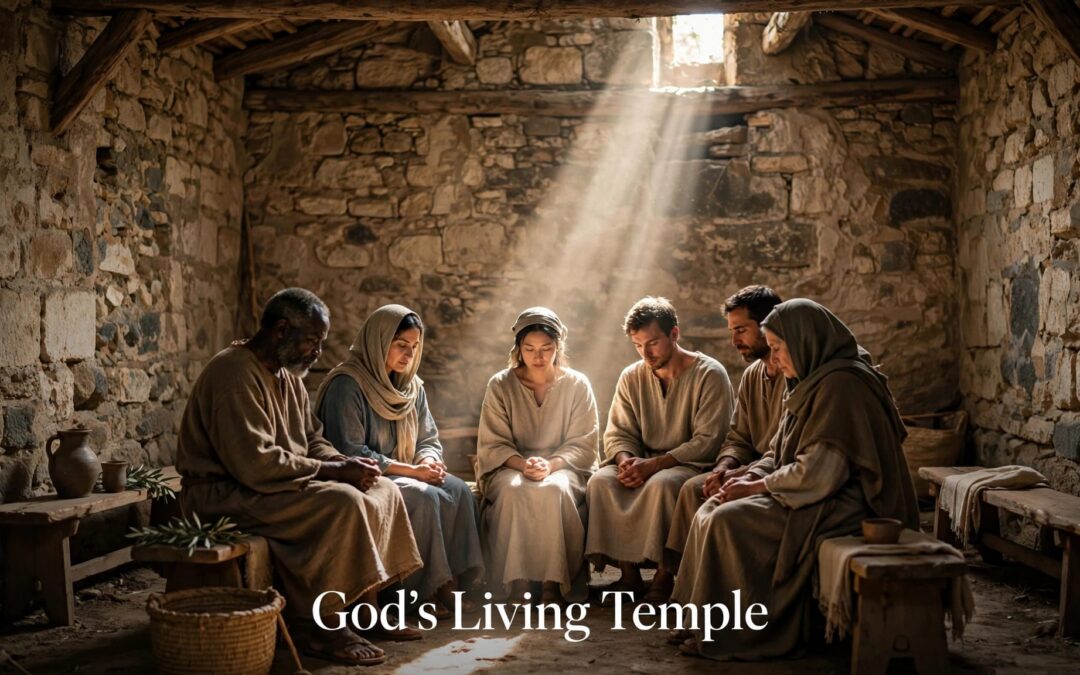
1 Corinthians 3:16 means the gathered church is God's holy dwelling place because His Spirit lives among His people. Paul addresses the congregation collectively, and that shared identity makes jealousy, division, and careless treatment of other believers serious matters.
We believe there's something wonderful here that can get lost when this verse becomes only a statement about personal behavior. God has chosen to dwell among redeemed people, ordinary people who still need His correction.
To understand the encouragement and the warning, we need to hear the apostle's words within the congregation he was correcting.
"Do you not know that you yourselves are the temple of God and that God's Spirit dwells in your midst?"
Paul makes an astonishing statement about a troubled congregation. These believers needed correction, yet he still called them God's temple. Their failures were reasons to honor that identity through repentance.
“Don’t you know” recalls an established truth
Paul's opening question carries the sense of something the Corinthians should already understand. He isn't presenting an obscure spiritual secret available only to unusually gifted Christians.
He is reminding them of a truth they have failed to live by.
Knowing the right teaching and allowing it to guide your conduct are different things. A person can explain the Holy Spirit's presence and still speak cruelly about another believer. We should let Paul's question reach beyond memory and examine our conduct.
“God’s temple” describes belonging and holiness
The temple belongs to God. That means the church cannot be treated as the possession of its strongest personalities.
Its sacred status comes from God's presence and ownership. It is set apart for God, and that belonging carries responsibility.
Paul isn't saying that every Corinthian decision was holy. He is saying their conduct must match the sacred identity God has given them. The congregation belongs to Him, so its members must receive His correction.
Why Corinth Needed This Reminder
The temple language answers a problem already unfolding in the chapter. The apostle confronts believers who had turned relationships with ministers into competing loyalties.
Jealousy exposed spiritual immaturity
In 1 Corinthians 3:3, Paul points to jealousy and quarreling as evidence that the Corinthians are acting according to the flesh.
They measured spiritual life through human competition. Some aligned themselves with Paul, while others identified with Apollos. Their divisions damaged the congregation.
What good is a strong opinion about a preacher if it leads to contempt for another believer? We can appreciate faithful ministry without letting personal preferences divide Christ's body.
The apostle calls this behavior worldly because it follows the pride and rivalry of people who disregard God. The warning about God's temple grows out of this conduct, not a general call to avoid disagreement.
Ministers are servants under God’s authority
The apostle describes planting and watering, but gives God the credit for growth. Each servant has a different assignment within the same work.
Then 1 Corinthians 3:9 identifies the congregation as God's field and God's building.
That possessive matters. God's building belongs to God.
We honor pastors, teachers, and evangelists when we receive faithful service with gratitude. Trouble begins when gratitude becomes unquestioning allegiance, or when loyalty to a minister becomes permission to mistreat the people Christ redeemed in the church.
Why the Word “You” Is Plural
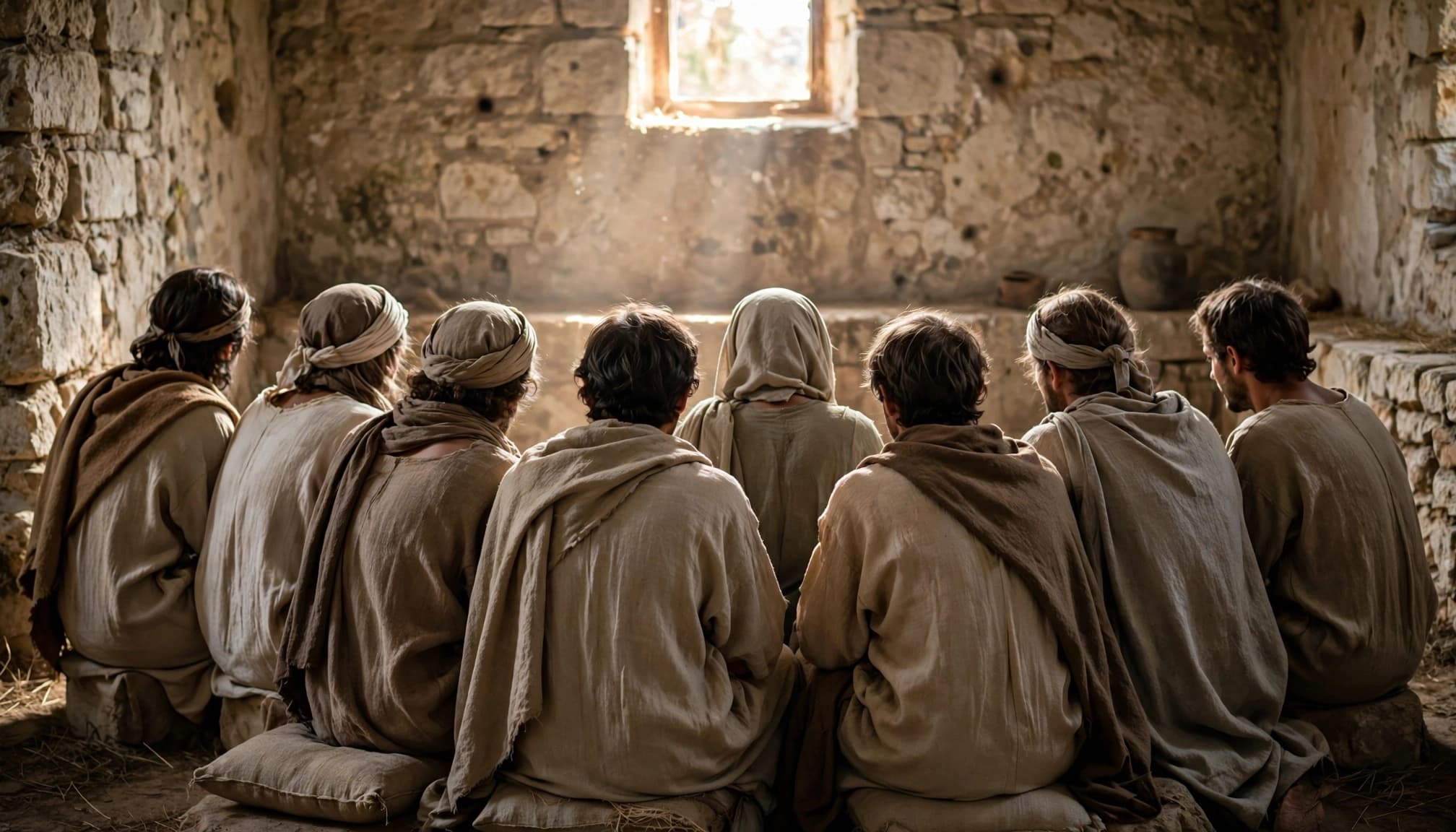
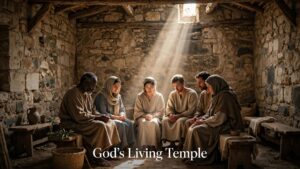
An imagined gathering illustrates the shared life of a congregation.
Many believers are called one temple
English uses "you" for one person and for several people. Greek makes the distinction clear here: the address is to more than one person.
At the same time, "temple" is singular. This singular noun describes many believers together as one sacred dwelling.
Bill Mounce's explanation of Paul's plural address brings out this easily missed point. The sense is "you all," rather than an isolated individual standing apart from the congregation.
The grammar is clear. The translation challenge is how to make that distinction equally clear in ordinary English.
Collective identity carries personal responsibility
The corporate meaning doesn't make individual conduct unimportant. It explains why individual conduct affects other people.
Each member lives within relationships that can strengthen or wound the congregation. Words, loyalties, teaching, and decisions have consequences beyond the person making them.
We should therefore resist reading this passage as though the only question were, "Am I keeping myself clean?" Another question follows: "How am I treating the people who belong to God?"
The church's shared identity gives personal obedience a wider reach. Your patience with a difficult believer, refusal to spread gossip, and willingness to receive correction help protect something God calls holy.
How Bible Translations Show the Plural
Translations handle English's ambiguous "you" in different ways. These differences affect how readily readers notice the passage's corporate emphasis.
Translation
How the collective meaning appears
NIV
Uses "you yourselves" and "in your midst."
NLT
Makes the collective sense clear with "all of you" and "together."
CSB
Uses "you yourselves" and "in you."
ESV
Retains "you" and explains the plural in a footnote.
NET
Retains "you" and explains the congregation reference in a note.
NASB
Keeps ordinary English "you" without marking its number in the main wording.
NRSV
Also leaves the plural unmarked in the main wording.
KJV
Uses "ye," an older English plural form.
The takeaway is simple: the congregation is in view, even where the translation leaves that less obvious.
Versions that retain ordinary "you" haven't changed the Greek into a singular. English wording can conceal a distinction that Greek expresses directly.
We recommend paying attention to translation notes for this reason. A small grammatical observation can keep a familiar verse connected to the passage's argument, rather than allowing a personal application to replace its main point.
What the Greek Words Tell Us
Paul's choice of words explains the privilege of being God's temple and the seriousness of damaging it.
The temple is God’s sacred dwelling
The word translated "temple," naos, refers to a temple or sanctuary, with particular emphasis on the sacred dwelling associated with the deity's presence.
Applied to the church, this language is far stronger than calling a congregation a religious organization. Paul identifies these believers with the place where God dwells.
We should be careful not to make a Greek definition say more than it does. The word itself doesn't explain every question about church life. In this passage, however, it makes the sacred character of the congregation unmistakable.
God's temple must never be treated as disposable.
The Spirit dwells rather than merely visits
The verb translated "dwells," oikei, means to inhabit or reside.
The Spirit dwells among God's people as an established reality, not only during an unusually moving service.
God's Spirit remains with the congregation beyond moments of conviction, joy, or spiritual power. We welcome those workings of God. Still, the indwelling Spirit's presence can't be measured by the emotional intensity of a meeting.
His presence calls for continuing fellowship and obedience. When the singing ends and ordinary responsibilities return, believers remain dependent on the same Holy Spirit.
Christ Is the Foundation of God’s House
The foundation determines the building
Before identifying the congregation as God's temple, Paul has already explained that Jesus is its foundation.
This keeps the temple image centered on the Gospel. The church exists because of who Jesus is and what He has done through His death and resurrection.
A talented preacher cannot become another foundation. Neither can a ministry's reputation, a preferred worship style, or an impressive spiritual experience.
We should ask what a ministry teaches people to depend upon. Does it direct them toward Jesus and His Word? Or does it make a human leader appear indispensable to their relationship with God? The foundation must remain Jesus.
Believers are joined together in Him
Ephesians 2:19-22 expands this picture. Believers belong to God's household, Jesus Christ is the chief cornerstone, and the joined building grows into a holy temple.
The passage describes a dwelling place for God through the Spirit.
That joining together matters. Christian fellowship is more than occupying the same room or agreeing on a service time. Jesus joins people to Himself and places them in relationship with one another.
This also explains why the Spirit glorifies Jesus. His work strengthens dependence on Christ rather than creating a competing center of spiritual attention.
How the Temple Image Reaches Into Biblical History
God’s glory filled Solomon’s temple
In 1 Kings 8:10-11, the cloud filled the Lord's house, and the priests could not continue ministering because of His glory.
This Old Testament history gives weight to the apostle's language. The temple was sacred because it was associated with God's presence among His covenant people.
God was never contained within stone walls. Yet He chose that place as a particular dwelling associated with worship and His revealed glory.
The apostle's argument now applies temple language to people. God's people are the Spirit-indwelt dwelling, so His presence among them cannot be reduced to a sacred address.
Living stones form a spiritual house
1 Peter 2:5 describes Christians as living stones being built into a spiritual house.
Living stones. There's something worth pausing over there. God forms His dwelling through people who can hear Him, respond to Him, and offer worship through Jesus Christ.
A building where God's people gather can provide shelter and useful space for ministry. Its walls can't make people holy merely because they enter it.
We value places where believers gather, but the congregation remains God's people whether it meets in a large sanctuary, a modest rented room, or a home. The Spirit's presence gives the gathering its sacred identity.
The Spirit’s Presence Fulfills God’s Promise
Ezekiel promised inward renewal
In Ezekiel 36:26-27, God promises His people a new heart and His Spirit within them.
Click Our Ad to Support Us!
The promise includes obedience. God addresses hearts that resist Him and gives His people the life they can't produce through outward religion alone.
The indwelling Spirit brings fellowship with God and inward renewal that reaches desires, choices, and conduct.
A congregation can't celebrate God's presence while dismissing the need for repentance. The One who draws near is holy. His presence gives hope to people who need to change and calls them to surrender what He exposes.
Jesus promised the Spirit within His followers
In John 14:17, Jesus tells His disciples that the Spirit remains with them and will be in them.
The Holy Spirit is personally present. He teaches, convicts, comforts, and leads God's people.
The Spirit isn't an impersonal supply that Christians receive and manage independently. Dependence remains part of the relationship.
His indwelling also shows why spiritual life can't be reduced to knowing religious language. The Spirit's work in revealing God's truth brings understanding that human cleverness can't produce. He leads believers to center their lives on Jesus and respond to Scripture.
Indwelling and Spirit Baptism Belong Together
Every believer belongs to the Spirit-indwelt people
We believe everyone who belongs to Jesus receives the Holy Spirit. His indwelling is part of the life God gives through the new birth.
This passage should never become a way to tell sincere Christians that they lack God's presence because their experience was less dramatic than someone else's.
The passage calls the Corinthians God's temple while correcting their immaturity. Spiritual growth was necessary, but God's presence was already the basis of its appeal.
We should encourage believers to understand what God has given them and yield to His work, rather than make comparisons that produce pride or fear.
Believers should seek His empowering fullness
As Spirit-filled Pentecostals, we also believe baptism in the Spirit is an empowering gift for witness and ministry. We encourage believers to seek His fullness and remain responsive to His guidance.
This doesn't create a higher class of Christians. Spiritual power carries a responsibility to serve.
We expect prophecy, healing, wisdom, and other gifts to remain active. We also expect biblical testing, humility, and godly character. An impressive manifestation never places a person above correction.
Our teaching on pursuing spiritual gifts in love keeps their purpose connected to the good of the congregation. The Spirit equips people to help His church, and every gift should honor Jesus.
The Warning About Destroying God’s Temple
Read 1 Corinthians 3:16-17 together, and the privilege comes with a warning: "If anyone defiles the temple of God, God will destroy him."
Destructive conduct receives a serious warning
Paul doesn't treat the corruption of God's congregation as a minor disagreement. God cares about His dwelling and holds destructive people accountable.
The jealousy and quarreling already named in the chapter explain why this warning belongs here. Rivalry can tear at a church while presenting itself as concern for ministry.
We shouldn't weaken Paul's words. Neither should we pretend the verse explains every detail of God's judgment. Its clear point is accountability before Him.
The warning should lead a divisive person to repent. It should also reassure wounded believers that God sees what is done to His people.
Accountability protects the congregation
This passage must never become a threat against anyone who questions a leader or reports wrongdoing.
The people who need protection belong to God. Concealing abuse, silencing truthful testimony, or demanding unquestioning loyalty can damage the congregation.
Unity must remain joined to truth.
We can welcome genuine spiritual authority while requiring accountability. We can honor ministers while recognizing that they remain servants under Christ. A concern deserves to be weighed according to Scripture and evidence, not dismissed because it makes a powerful person uncomfortable.
Protecting a reputation and protecting God's people aren't always the same action.
The Church and the Believer’s Body
The two passages address different immediate concerns
The corporate focus of 1 Corinthians 3:16 concerns the congregation as God's temple.
Later, 1 Corinthians 6:19 applies temple language to the believer's body within Paul's teaching against sexual immorality.
The immediate question changes. In the earlier passage, the apostle confronts conduct that damages the gathered congregation. Later, he addresses conduct involving bodily union and sexual sin.
The nearby statement in 1 Corinthians 6:16 concerns becoming one flesh with a prostitute. It supplies part of that sexual-ethics context; the explicit body-as-temple statement follows afterward.
Keeping those settings clear helps each passage speak with its intended force.
Personal and corporate holiness support each other
These teachings belong together without becoming interchangeable.
The believer's body matters to God, and the congregation's shared life matters to God. Private conduct can affect relationships, while congregational practices can encourage either holiness or compromise.
We should therefore avoid using the collective meaning as an escape from personal obedience. We should also avoid reducing the warning about destroying God's temple to personal health advice.
Caring for your body can be wise stewardship. The earlier passage focuses on the congregation's spiritual life and how its members treat one another.
The same Spirit calls believers to bodily purity, truthful relationships, faithful worship, and practical love.
Putting This Verse Into Practice
Understanding the temple image should affect ordinary life in a congregation. We recommend beginning with the places where words, motives, and spiritual service touch other people.
Protect unity through truth and repentance
Refuse to pass along accusations merely because they fit an existing dislike. Bring genuine concerns through honest, accountable channels, and make room for a fair hearing.
When you have wronged someone, name what happened without hiding behind spiritual language. Repentance becomes visible through changed conduct and a willingness to repair harm.
Leaders carry responsibility here too. People should be able to ask sincere questions, report wrongdoing, and receive correction without humiliation.
We also encourage prayer before difficult conversations. Prayer doesn't remove the need to speak clearly. It helps expose pride, resentment, and the desire to win before those motives shape the conversation.
Seek gifts that strengthen other people
Ask the Holy Spirit for help that benefits someone besides yourself. Pray for the sick, encourage the discouraged, and remain attentive to His direction.
A person who receives prayer deserves continuing love even when healing doesn't happen as hoped. Someone who offers a prophetic message must allow that message to be weighed by Scripture.
We believe the gifts of the Spirit remain part of the church's life. Their use should direct attention toward Jesus and help people trust and obey Him.
Ask a practical question about any ministry activity: Are people being helped to know Christ, walk in truth, and love one another? That question keeps service connected to the purpose of God's house.
Frequently Asked Questions
Does this mean Christians are gods?
No. God's presence within His people doesn't turn human beings into divine beings.
The temple belongs to God and receives its holiness through Him. The distinction between the Creator and His creation remains.
We understand this verse as a statement of grace and belonging. God chooses to dwell among redeemed people. Their proper response is worship, dependence, and obedience, rather than claims of personal divinity or spiritual independence.
Does the Spirit leave whenever a believer struggles?
The passage's correction gives encouragement here. It addresses a congregation with serious immaturity as God's temple and calls its members to live accordingly.
The verse doesn't teach that every struggle causes the Spirit to depart. Neither does it give permission to remain comfortable in deliberate sin.
We encourage a tender response to conviction: confess what God exposes, receive His mercy, and follow His correction. Struggling believers need repentance and dependence, rather than panic about every failure.
Does every church disagreement destroy God’s temple?
Disagreement alone isn't the same as destruction. Christians may disagree while listening carefully, speaking truthfully, and honoring one another.
The passage's argument addresses jealousy, factional loyalty, and quarreling that damage the congregation.
The manner and purpose of disagreement matter. Is someone seeking truth and the congregation's good, or recruiting supporters through resentment? Is correction allowed, or punished? Godly unity can include difficult conversations. It requires love strong enough to remain truthful during them.
Honor the People God Calls His Temple
God's temple is a people made His own through Jesus Christ and indwelt by His Spirit. That shared identity gives relationships within the congregation sacred weight.
We should welcome His gifts and His correction with the same willingness. His presence calls for truth, repentance, holiness, and love.
As you return to the apostle's words, consider how you speak about other believers and how you serve them. The people beside you belong to God, and He cares how His dwelling is treated.
Related Posts
Reprobate Mind: 5 Warning Signs and Hope for Change The Bible’s take on a reprobate mind isn’t just a warning or a piece of theology. It’s a wake-up call. “Reprobate mind” (from the Greek adokimos, meaning rejected or unapproved) describes what happens when people no longer care about God’s truth—they trade what’s holy for what feels good, grow numb to right and wrong, and God lets go. It’s mentioned…
Holy Spirit Scriptures: 21 Century Meaning, Original Words, and God's Purpose What would life be if we never understood the heart behind every movement of God’s Spirit? Every verse that mentions the Holy Spirit points us somewhere deeper—into friendship with God, into His power for living, and into the mystery of His love and presence that started in Eden and keeps going until Jesus rules the earth in the Millennial Reign.…
What is Blaspheming the Holy Spirit? Will God Truly Forgive Me? Isaiah 5:20 When the Bible talks about blaspheming the Holy Spirit, there's a unique weight behind those words. It's more than just a warning, it's a boundary God doesn't take lightly. People often imagine it's just a theological puzzle for scholars or preachers, but the truth sits much closer to the heart. If we want to grasp why blaspheming the Holy Spirit…
The Seven Spirits of God stand as one of the most profound and often misunderstood truths in Christian theology. Rooted deeply in Scripture, they aren’t seven separate entities but rather seven attributes of the one Holy Spirit—God revealing Himself in fullness. Isaiah 11:2 describes these [...]
The gifts of the Holy Spirit reveal the active power of God working in the lives of His people. They aren’t just distant historical records or fading Biblical accounts; they’re living because the Holy Spirit, He is living and He is God, and His transformative gifts are reaching people [...]
The phrase “tongues of fire” in Acts 2:3 sparks worldwide curiosity and spiritual wonder. It appears in Scripture to describe the Holy Spirit’s descent during Pentecost, when visible flames rested on the apostles, marking the time when God’s Spirit descended on earth, [...]
The Bible’s take on a reprobate mind isn’t just a warning or a piece of theology. It’s a wake-up call. “Reprobate mind” (from the Greek adokimos, meaning rejected or unapproved) describes what happens when people no longer care about God’s truth—they trade what’s holy for what feels good, grow numb [...]
The upper room, a sacred space in Jerusalem, holds profound significance in Christian history. Acts 2 tells us it is the gathering place for Jesus’ disciples when the Holy Spirit descended upon them during Pentecost. This transformative moment not only empowered those present but also sparked [...]
Pentecost isn’t just a Christian event; its roots stem from the Jewish celebration of Shavuot, the day Moses received the Ten Commandments from God. For Christians, Pentecost marks the moment when God poured out His Spirit and Jesus’ worldwide church empowered by the Holy Spirit and His gifts [...]
Charismatic gifts, often referred to as manifestation gifts, showcase the miraculous power of the Holy Spirit. From healing and miracles to prophecy and discernment, they serve as tangible evidence of God’s presence and transformative work. These gifts, seen throughout Biblical history, have [...]
Revelation 3:7-8 offers a powerful message to the church in Philadelphia, a message that remains relevant today. It speaks of a divine “open door” that no man can shut, given by the one who holds the Key of David. This imagery represents not only an opportunity but also God’s sovereign [...]
Have you ever wondered why the word “anointing” carries so much depth in Scripture? The idea of anointing—of sacred oil poured out on kings, priests, and prophets—echoes through the Old Testament as a symbol of God choosing, empowering, and setting apart. God didn’t leave the details of [...]
The Bible boldly declares the truth that Jesus is both fully God and fully man—a mystery that anchors the Christian faith. But what does it mean, practically, for us as believers? Jesus didn’t perform miracles or operate in the gifts of the Holy Spirit simply as God; He demonstrated how a [...]
The Antichrist
The Apostate Church
The Rapture
Angels
Book of Daniel
Giants
Judgment
Prophecy
The Apostles
Bible Prophecy
Beware of Deception
Sin
Antichrists
Demon Possession
Healing
Millennial Reign
Redemption
The Gospels
The Holy Spirit
American Prophecy
Israel
Armageddon
Forgiveness
Intercession
Prayer
Revival
The Old Testament
The Tribulation
Faith
Kingdom Of God
Bible Interpretation
Free Will
Book Of Jude
Pride
The Afterlife
The Red Dragon
We use cookies so you can have a great experience on our website. View more
Cookies settings
Accept
Decline
Privacy & Cookie policy
Privacy & Cookies policy
Cookies list
Cookie name
Active
Who we are
Our website address is: https://theholyspirit.us.
Comments
When visitors leave comments on the site we collect the data shown in the comments form, and also the visitor’s IP address and browser user agent string to help spam detection.
An anonymized string created from your email address (also called a hash) may be provided to the Gravatar service to see if you are using it. The Gravatar service privacy policy is available here: https://automattic.com/privacy/. After approval of your comment, your profile picture is visible to the public in the context of your comment.
Media
If you upload images to the website, you should avoid uploading images with embedded location data (EXIF GPS) included. Visitors to the website can download and extract any location data from images on the website.
Cookies
If you leave a comment on our site you may opt-in to saving your name, email address and website in cookies. These are for your convenience so that you do not have to fill in your details again when you leave another comment. These cookies will last for one year.
If you visit our login page, we will set a temporary cookie to determine if your browser accepts cookies. This cookie contains no personal data and is discarded when you close your browser.
When you log in, we will also set up several cookies to save your login information and your screen display choices. Login cookies last for two days, and screen options cookies last for a year. If you select "Remember Me", your login will persist for two weeks. If you log out of your account, the login cookies will be removed.
If you edit or publish an article, an additional cookie will be saved in your browser. This cookie includes no personal data and simply indicates the post ID of the article you just edited. It expires after 1 day.
Embedded content from other websites
Articles on this site may include embedded content (e.g. videos, images, articles, etc.). Embedded content from other websites behaves in the exact same way as if the visitor has visited the other website.
These websites may collect data about you, use cookies, embed additional third-party tracking, and monitor your interaction with that embedded content, including tracking your interaction with the embedded content if you have an account and are logged in to that website.
Who we share your data with
If you request a password reset, your IP address will be included in the reset email.
How long we retain your data
If you leave a comment, the comment and its metadata are retained indefinitely. This is so we can recognize and approve any follow-up comments automatically instead of holding them in a moderation queue.
For users that register on our website (if any), we also store the personal information they provide in their user profile. All users can see, edit, or delete their personal information at any time (except they cannot change their username). Website administrators can also see and edit that information.
What rights you have over your data
If you have an account on this site, or have left comments, you can request to receive an exported file of the personal data we hold about you, including any data you have provided to us. You can also request that we erase any personal data we hold about you. This does not include any data we are obliged to keep for administrative, legal, or security purposes.
Where your data is sent
Visitor comments may be checked through an automated spam detection service.