Pre-Born! gives free ultrasounds to women looking to abort their babies and 86% of those women choose to keep their babies!
The meaning of Numbers 11:25 is that God placed His Spirit on seventy elders so they could help Moses carry the burden of leading Israel. Their prophecy showed that the same Spirit who empowered Moses was also at work among them.
That moment raises some important questions. Did God take the Holy Spirit away from Moses? Why did the elders prophesy? And what does this have to do with believers who have received the Holy Spirit today?
To understand the answer, we need to look at what was happening in Israel when Moses cried out to God.
God appointed seventy recognized elders to share the responsibility Moses had been carrying.
The Spirit who rested on them was the same Spirit who was upon Moses. Scripture doesn't say Moses lost the Spirit.
The elders prophesied when the Spirit rested on them, giving a visible sign of His work.
The verse doesn't tell us what the elders said or that their leadership immediately ended.
Moses wanted all the Lord's people to experience the Spirit's prophetic work.
Joel's promise and the outpouring at Pentecost help us see how God later extended His Spirit's empowering presence across His people.
What Does Numbers 11:25 Mean in Context?
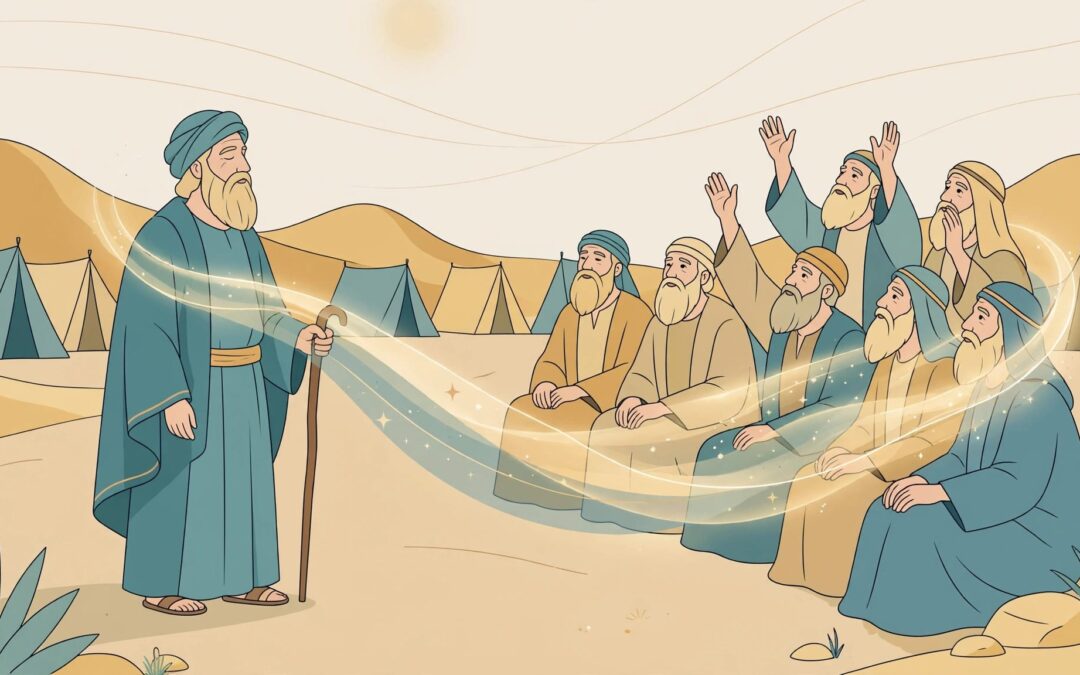
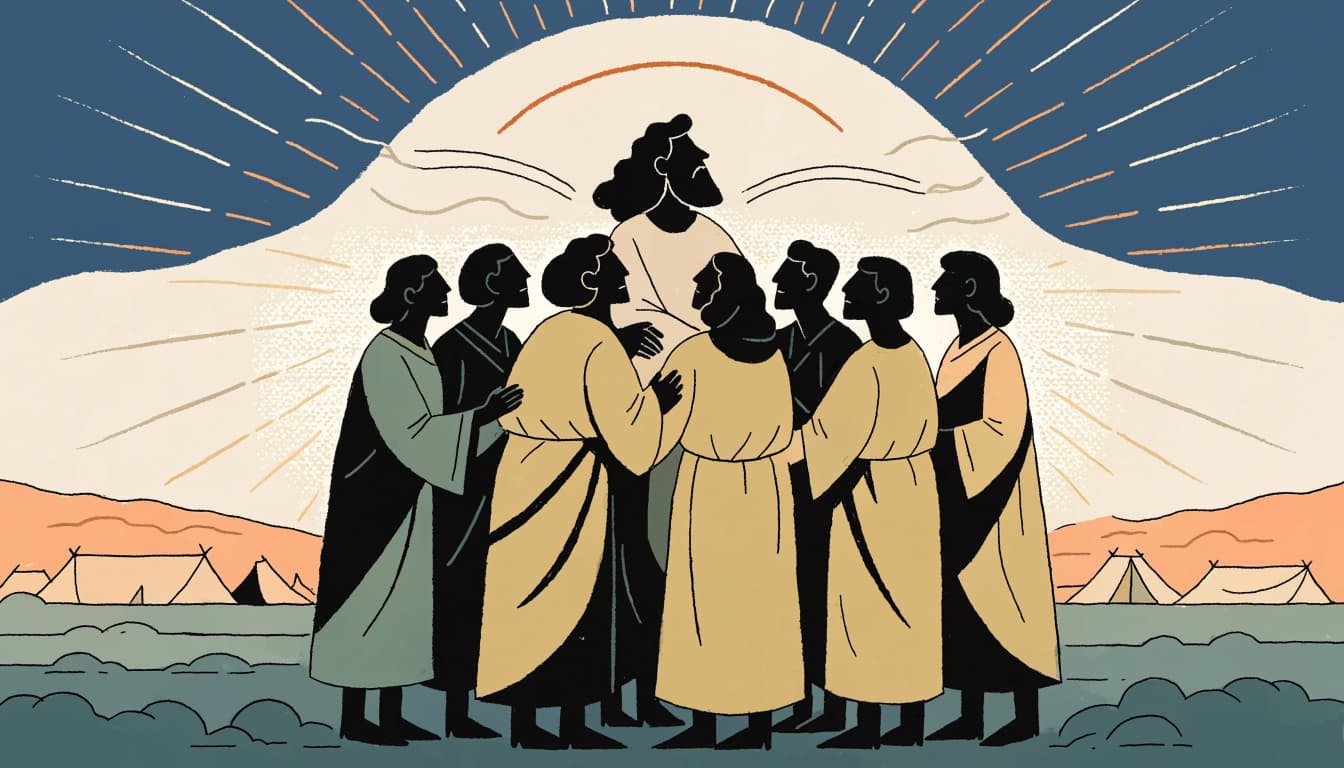
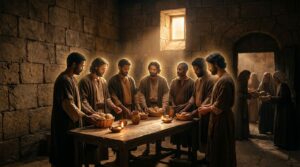
In Numbers 11:25, the Lord came down in the cloud and spoke to Moses. He then took of the Spirit that was upon Moses and placed the same Spirit upon the seventy elders. When the Spirit rested upon them, they prophesied.
The point becomes clearer when we read God's promise a few verses earlier. In Numbers 11:17, God told Moses that the elders would bear the burden of the people with him, so he wouldn't have to bear it alone.
God answered a leadership problem with both shared responsibility and spiritual empowerment. These men weren't merely given titles. They received the Spirit's enabling for the work God had appointed them to do.
We can also see God's initiative throughout the passage. He told Moses to gather the elders. He came down and spoke. He placed His Spirit upon them.
That matters because the Holy Spirit wasn't a reward the elders earned by being important. He was God's provision for a people who needed help. A study of the seventy elders examines their calling and the Spirit's work in this passage.
Why Was Moses Overwhelmed?
Israel had been complaining about food in the wilderness. The people remembered the foods they had eaten in Egypt and grew dissatisfied with the manna God was providing. Their weeping spread through their families, and the pressure on Moses became heavy.
The people’s complaints reached Moses
In Numbers 11:10, Moses heard the people weeping at the doors of their tents. God's anger was aroused, and Moses was distressed too.
Moses had already led Israel through situations that required patience, judgment, and intercession. Here, the demands of the people pressed on him again. We shouldn't read his exhaustion as though the responsibility was small.
It's one thing to hear a complaint. It's another to carry the needs of a whole nation while that complaint spreads through the camp.
Moses brought his burden to God
In Numbers 11:14, Moses told the Lord he couldn't carry the people alone because the burden was too heavy. His words were honest and painful.
God answered by appointing others to help. He didn't tell Moses that caring for people should require no effort. He provided companions for the work.
There is something encouraging in that response. God heard the strain in Moses' prayer and answered with a practical provision for Israel. The same God who called Moses to lead also knew Moses was a human being with limits.
Why Did God Choose Seventy Elders?
God told Moses to gather seventy men whom he knew to be elders and officers among the people. They were to come to the tabernacle of meeting and stand there with Moses, as Numbers 11:16 describes.
These weren't seventy people Moses selected without regard for their place among Israel. The passage identifies them as men already recognized among the people. God then equipped them to share a particular responsibility.
Recognition came before the gathering
The elders were known to Moses as leaders and officers. Their recognition among the people mattered because they were being called to serve those same people.
We don't have a complete list of their qualifications in this passage. So we shouldn't add details Scripture doesn't give us. We can say that God directed Moses to gather men whose leadership was already known.
The Spirit equipped them for service
Recognized leaders still needed the Spirit's help. Experience among the people and dependence on God belonged together.
This is a useful reminder for any believer entrusted with responsibility. Being respected is valuable. Knowing how a community works is valuable too. But neither makes us independent of the Holy Spirit.
God's answer included real people, a real task, and His own empowering presence. The elders were called to help carry the burden, not to watch Moses carry it while they stood nearby.
Did God Take the Holy Spirit Away From Moses?
No. Numbers 11:25 doesn't say that Moses lost the Holy Spirit when the elders received Him. God said He would take of the Spirit upon Moses and put the same Spirit upon them.
We should be careful with the picture in our minds here. The Holy Spirit is God, not a substance that must be broken into pieces so everyone can have a portion. The language connects the elders' empowerment with the Spirit already at work in Moses.
Think about what God had promised: they would help Moses bear the burden. The passage shows that their service would come through the same divine source that sustained his leadership.
Moses continued in his calling. The elders' receiving the Spirit didn't erase the work God had given him. Instead, God brought others alongside him.
The Holy Spirit is a Person who acts according to God's will. He isn't something a leader owns or controls. Our study of who the Holy Spirit is looks more closely at His work throughout Scripture.
This also helps us resist a common temptation in ministry. If God uses someone else, we don't have to fear that He has taken His presence away from us. His work in another believer is a reason for gratitude, not competition.
What Does It Mean That the Spirit Rested on Them?
When Numbers 11:25 says the Spirit rested on the elders, it describes God's Spirit coming upon them for the assignment before them. His presence was connected with the task of helping Moses care for Israel.
The word "rested" shouldn't make us imagine the Spirit as an object sitting on a person's shoulders. Scripture uses language we can understand to describe God's action. The emphasis is on His presence and activity among the elders.
The Hebrew word translated "Spirit" can also refer to wind or breath, depending on its context. In this passage, we are reading about the Spirit of God. It is God who acts, and the elders respond when His Spirit rests upon them.
Our collection of Holy Spirit Scriptures traces that language through other passages. Wind and breath can help us understand the imagery, but the Holy Spirit Himself is more than an image. He knows, speaks, and empowers according to God's purposes.
Here is the part we don't want to miss: the elders had a burden to carry, and God gave them His Spirit. The work was human service, but its strength came from Him.
Why Did the Elders Prophesy?
The elders prophesied when the Spirit rested upon them. The text connects their prophetic speech directly with His coming.
Prophecy in Scripture involves speaking under divine inspiration. It can include a message about the future, but Biblical prophecy isn't limited to predicting events. God also speaks to His people through words of instruction, encouragement, warning, and correction.
Prophecy showed the Spirit was at work
The elders' prophecy was an outward expression of the Spirit's activity. God had promised to put His Spirit upon them, and their prophetic speech accompanied His fulfillment of that promise.
Numbers 11 doesn't give us their exact words. We shouldn't invent a message for them or assume they all spoke the same sentence. Scripture tells us what happened without providing a transcript.
The visible expression mattered, but we should keep it connected to God's purpose. These men were being equipped to help carry the burden of Israel.
Prophecy didn’t replace their responsibility
It would be easy to focus on the supernatural moment and forget why the elders were gathered. God appointed them to help Moses.
The Spirit's work wasn't separated from the needs of the people. The elders' prophetic speech showed His presence, and their calling involved service.
We believe the Holy Spirit still gives spiritual gifts to the church. Those gifts should point people toward God's purposes, not toward admiration of the person through whom He works. That is one reason we need both spiritual openness and humility.
Did the Elders Prophesy Only Once?
The end of Numbers 11:25 is translated in different ways. The New King James Version says the elders prophesied, "although they never did so again." Other translations understand the wording to mean that they didn't continue prophesying.
Those readings are related, but they aren't identical. One describes the event as something they never repeated. The other emphasizes that the prophetic activity did not continue. The Numbers 11 commentary provides additional discussion of the verse and its wording.
Either way, we shouldn't claim the passage says more than it does. It doesn't tell us the content of their prophecy. It also doesn't say that the elders stopped being appointed helpers as soon as the prophetic expression ended.
And Scripture doesn't say the Holy Spirit immediately returned to God or left the elders after they prophesied. We shouldn't turn a statement about the duration of their prophetic activity into a statement about the duration of His presence.
Why does that distinction matter? Because a spiritual manifestation and the assignment connected with it aren't necessarily the same thing. God gave a visible sign at the gathering, while His stated purpose was that the elders would help Moses carry the people's burden.
Why Did Moses Want All God’s People to Prophesy?
Moses expressed a desire that went beyond the seventy elders. In Numbers 11:29, he said he wished all the Lord's people were prophets and that the Lord would put His Spirit upon them.
What a response from a man who had been carrying so much. Moses wasn't trying to keep the Spirit's work limited to himself. He longed to see God working among His people more widely.
His words don't mean everyone in Israel immediately became a prophet. They express a desire in that moment, a desire that becomes especially interesting when we read the later promises of the prophets.
For us, Moses' response also challenges the possessiveness that can creep into spiritual leadership. A leader may begin by wanting to serve God, then become afraid when God works through others. Moses' desire points in a different direction.
He wanted the people to receive from God. He wanted His Spirit to be active among them.
We should remember that the Holy Spirit belongs to God. We don't get to treat His gifts as private property or use them to guard our importance. The question is whether His work is drawing people toward the Lord and helping them serve His purposes.
How Did the Spirit Work in the Old Testament?
Numbers 11 is one of several Old Testament passages where the Spirit empowered people for a particular calling. We also read about His work in leaders, prophets, and craftsmen.
Click Our Ad to Support Us!
The Spirit empowered different kinds of service
In Exodus 31:2 through 5, God filled Bezalel with His Spirit and gave him skill for the work of the tabernacle. The work included craftsmanship, not the same responsibility given to Moses or the elders.
Judges 6:34 describes the Spirit coming upon Gideon. Numbers 27:18 identifies Joshua as a man in whom the Spirit was present.
These passages don't all describe the same assignment. They do show that God's Spirit equipped people for what God called them to do. His work wasn't restricted to one kind of ministry or one visible expression.
God’s people still needed obedient hearts
The presence of a gift or an assignment didn't make a person incapable of sin. Old Testament leaders still needed to trust and obey God.
That distinction matters to us too. A person may have a noticeable gift and still need correction, repentance, and growth. The Spirit's power should never be used as an excuse to ignore character.
Our study of the Spirit's work in the Old Testament looks at this connection between God's empowering presence and the kind of life His people are called to live.
How Does Joel’s Promise Connect With Moses’ Desire?
In Joel 2:28 through 29, God promised to pour out His Spirit on all flesh. The passage names sons and daughters, old and young, and male and female servants. Prophecy, dreams, and visions are part of that promise.
Moses longed to see the Lord put His Spirit upon all His people. Joel later announced a broad outpouring from God. The two passages belong to different moments in Scripture, but we can hear a connection between Moses' desire and God's promise.
The promise reaches across social boundaries
Joel's language includes people who might have been overlooked because of age, gender, or social position. God's Spirit would not be restricted to a narrow group of recognized leaders.
That doesn't mean every person automatically receives the Spirit regardless of their response to God. The promise shows the breadth of the people God would include in His outpouring.
God remained the One giving the Spirit
Moses couldn't produce this wider work by wishing for it. Joel announced that God Himself would pour out His Spirit.
That is important for us to remember. We can desire the Spirit's gifts and pray for His work, but we cannot manufacture His presence. He is the giver. We receive from Him, and we remain accountable to His Word.
What Happened at Pentecost?
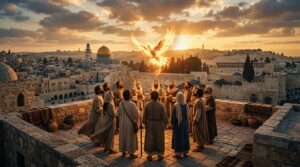
In Acts 2, believers were gathered when a sound like a rushing mighty wind filled the house. Tongues as of fire appeared and rested on them, and they were filled with the Holy Spirit. They began to speak in other tongues as the Spirit gave them utterance.
Peter then pointed the crowd to Joel's prophecy. In Acts 2:16 through 18, he identified what they were witnessing with the promise that God would pour out His Spirit.
The Spirit empowered believers to witness
Before Pentecost, Jesus told His followers that they would receive power when the Holy Spirit came upon them. In Acts 1:8, He connected that power with being His witnesses.
This is where we need to keep our focus. The Spirit's work is not about collecting experiences. He empowers believers to testify about Jesus and serve God's purposes.
The crowd in Jerusalem heard people speaking about God's wonderful works in languages they recognized. Peter then proclaimed Jesus, including His death, resurrection, and exaltation.
Pentecost doesn’t erase Numbers 11
The two events aren't identical. Numbers 11 concerns elders appointed to help Moses lead Israel. Acts 2 records the outpouring of the Spirit after Jesus' resurrection and ascension.
Still, both passages show God empowering people through His Spirit. Pentecost also brings Joel's promise into view, showing the breadth of God's gift under the new covenant. We explore that promise further in our study of baptism in the Holy Spirit.
How Is the Spirit’s Work Different Under the New Covenant?
The Old Testament shows the Holy Spirit working among God's people before Pentecost. The new covenant brings a promised fullness that we should appreciate without pretending He was absent before Jesus came.
Ezekiel 36:26 through 27 includes God's promise to give His people a new heart and put His Spirit within them. Jesus also spoke of the Spirit dwelling with and in His followers in John 14:17.
As believers in Jesus, we receive the Holy Spirit when we belong to Christ. Romans 8:9 connects belonging to Him with having His Spirit. The Spirit's presence is part of our life with God, not merely a temporary assignment to perform a task.
We also believe the baptism in the Holy Spirit is an empowering gift for believers, as Jesus promised His followers before Pentecost. His indwelling presence and His empowerment for witness belong in our understanding of the Christian life.
We should avoid making the contrast too simple. God worked through His Spirit in the Old Testament, and His people depended on Him then too. The difference is found in the promises fulfilled through Jesus and the Spirit poured out under the new covenant.
The same Holy Spirit who empowered the elders is the Spirit given to believers in Christ. His presence calls us to holiness, service, and witness.
What Does This Passage Teach About Godly Leadership?
Godly leadership doesn't require one person to carry every need alone. Moses was called by God, yet God appointed others to help him.
That doesn't mean every responsibility can be handed away without thought. The elders were recognized among the people, and God equipped them for the work. Shared leadership requires trust, wisdom, and a willingness to serve together.
A church leader can preach a strong message and still need help caring for the congregation. A person who is gifted in one area may depend on others who notice needs they would otherwise miss. God has never asked us to pretend human limits don't exist.
The Spirit's involvement also keeps leadership from becoming a contest for control. The elders were there for the good of the people, not to make a name for themselves.
We should ask a few honest questions when responsibility is being shared. Are people being cared for? Are leaders listening to one another? Is the work being done with humility and prayer?
The answers matter because the purpose matters. Moses needed help bearing a burden, and God gave him helpers. Leadership among God's people should make room for service, not build a wall around one person's importance.
How Should Christians Approach Prophecy Today?
We believe the Holy Spirit still gives gifts to believers, including prophecy. At the same time, Scripture calls the church to exercise discernment.
In 1 Corinthians 14:3, Paul connects prophecy with edification, exhortation, and comfort. He also tells believers in 1 Corinthians 14:29 to let others judge what is spoken.
Welcome the Spirit’s gifts
We don't have to be afraid of everything supernatural. The Holy Spirit is God's gift to His people, and His gifts have a place in the church.
Paul tells believers to pursue love and desire spiritual gifts. His instruction doesn't ask us to choose between caring for people and welcoming the Spirit's work. The two belong together.
A person saying, "God told me," doesn't place their words beyond examination. We should weigh what is spoken against Scripture and listen with humility.
Discernment also means paying attention to the effect of a message. Does it direct people toward Jesus and build up the church? Or does it pressure people to surrender their judgment to the speaker?
God's Spirit doesn't need us to abandon wisdom. We can welcome His gifts while refusing manipulation, pride, and claims of authority that can't be questioned.
How Can We Apply Numbers 11:25?
We may not be leading Israel through the wilderness, but many of us know what it feels like to face a responsibility that seems too heavy. This passage gives us a way to bring that burden before God.
First, we can pray honestly. Moses didn't hide his exhaustion from the Lord. If you are worn down, you can tell God where you are and ask Him for wisdom and help.
We can also receive help from other believers. Depending on others isn't a failure of faith. God used other people as part of His answer to Moses.
Then there is the question of how we respond when the Spirit works through someone else. Do we welcome their service? Or do we become anxious because God didn't work through us in the same way?
The elders remind us that God's Spirit equips people for the good of the community. A gift is a reason to serve, and a responsibility is a reason to depend on Him.
If you are caring for others, ask the Lord for both spiritual strength and a willing heart. The work in front of you may be ordinary and demanding, but it still matters to God.
Frequently Asked Questions
Who were the seventy elders in Numbers 11?
They were men Moses knew as elders and officers among Israel. God told Moses to gather them so they could help bear the burden of the people. The passage doesn't provide a full list of their names or describe every duty they performed.
Did the seventy elders receive a different spirit from Moses?
No. God placed upon them the same Spirit who was upon Moses. The passage connects their empowerment to God's Spirit, not to a separate spirit or a power belonging personally to Moses.
Does Numbers 11:25 say the Holy Spirit left the elders?
No. The verse describes their prophetic activity, but it doesn't say the Holy Spirit left them immediately afterward. Readers should distinguish what the passage says about their prophecy from claims it doesn't make about the duration of His presence.
Is the elders’ prophecy the same event as Pentecost?
No. The elders prophesied in the wilderness during Moses' leadership. Pentecost occurred after Jesus' resurrection and ascension, when the Holy Spirit was poured out on believers in Jerusalem.
Both passages show God's Spirit empowering people, but each event has its own setting and purpose.
God’s Spirit and the Burden We Carry
Numbers 11:25 shows us a God who heard Moses and provided help. He appointed elders, placed His Spirit upon them, and gave them a share in caring for His people.
The same Holy Spirit is at work among believers today. His presence and power lead us toward Jesus, equip us to serve, and remind us that the burden was never meant to be carried without Him.
When the work feels heavy, bring it to God. Ask for His help, and be willing to receive the people He places alongside you.
Related Posts
Holy Spirit Scriptures: 21 Century Meaning, Original Words, and God's Purpose What would life be if we never understood the heart behind every movement of God’s Spirit? Every verse that mentions the Holy Spirit points us somewhere deeper—into friendship with God, into His power for living, and into the mystery of His love and presence that started in Eden and keeps going until Jesus rules the earth in the Millennial Reign.…
Who Is the Holy Spirit? Discover God’s Helper and Friend - Genesis 1:2 The Holy Spirit is one of the most fascinating yet often misunderstood aspects of Christian theology. From the very first pages of the Bible, His presence weaves through history—pointing, guiding, and empowering God’s people. But who exactly is the Holy Spirit? Is He a person, a force, or something else entirely? Spoiler: He’s God, revealed to us as part of…
21st Century Biblical Anointing: Oil, Prophets, and Holy Spirit Baptism Have you ever wondered why the word "anointing" carries so much depth in Scripture? The idea of anointing—of sacred oil poured out on kings, priests, and prophets—echoes through the Old Testament as a symbol of God choosing, empowering, and setting apart. God didn’t leave the details of the anointing oil a mystery: He gave Moses a recipe, specific and holy,…
The Seven Spirits of God stand as one of the most profound and often misunderstood truths in Christian theology. Rooted deeply in Scripture, they aren’t seven separate entities but rather seven attributes of the one Holy Spirit—God revealing Himself in fullness. Isaiah 11:2 describes these [...]
The gifts of the Holy Spirit reveal the active power of God working in the lives of His people. They aren’t just distant historical records or fading Biblical accounts; they’re living because the Holy Spirit, He is living and He is God, and His transformative gifts are reaching people [...]
The phrase “tongues of fire” in Acts 2:3 sparks worldwide curiosity and spiritual wonder. It appears in Scripture to describe the Holy Spirit’s descent during Pentecost, when visible flames rested on the apostles, marking the time when God’s Spirit descended on earth, [...]
The Bible’s take on a reprobate mind isn’t just a warning or a piece of theology. It’s a wake-up call. “Reprobate mind” (from the Greek adokimos, meaning rejected or unapproved) describes what happens when people no longer care about God’s truth—they trade what’s holy for what feels good, grow numb [...]
The upper room, a sacred space in Jerusalem, holds profound significance in Christian history. Acts 2 tells us it is the gathering place for Jesus’ disciples when the Holy Spirit descended upon them during Pentecost. This transformative moment not only empowered those present but also sparked [...]
Pentecost isn’t just a Christian event; its roots stem from the Jewish celebration of Shavuot, the day Moses received the Ten Commandments from God. For Christians, Pentecost marks the moment when God poured out His Spirit and Jesus’ worldwide church empowered by the Holy Spirit and His gifts [...]
Charismatic gifts, often referred to as manifestation gifts, showcase the miraculous power of the Holy Spirit. From healing and miracles to prophecy and discernment, they serve as tangible evidence of God’s presence and transformative work. These gifts, seen throughout Biblical history, have [...]
Revelation 3:7-8 offers a powerful message to the church in Philadelphia, a message that remains relevant today. It speaks of a divine “open door” that no man can shut, given by the one who holds the Key of David. This imagery represents not only an opportunity but also God’s sovereign [...]
Have you ever wondered why the word “anointing” carries so much depth in Scripture? The idea of anointing—of sacred oil poured out on kings, priests, and prophets—echoes through the Old Testament as a symbol of God choosing, empowering, and setting apart. God didn’t leave the details of [...]
The Bible boldly declares the truth that Jesus is both fully God and fully man—a mystery that anchors the Christian faith. But what does it mean, practically, for us as believers? Jesus didn’t perform miracles or operate in the gifts of the Holy Spirit simply as God; He demonstrated how a [...]
The Antichrist
The Apostate Church
The Rapture
Angels
Book of Daniel
Giants
Judgment
Prophecy
The Apostles
Bible Prophecy
Beware of Deception
Sin
Antichrists
Demon Possession
Healing
Millennial Reign
Redemption
The Gospels
The Holy Spirit
American Prophecy
Israel
Armageddon
Forgiveness
Intercession
Prayer
Revival
The Old Testament
The Tribulation
Faith
Kingdom Of God
Bible Interpretation
Free Will
Book Of Jude
Pride
The Afterlife
The Red Dragon
We use cookies so you can have a great experience on our website. View more
Cookies settings
Accept
Decline
Privacy & Cookie policy
Privacy & Cookies policy
Cookies list
Cookie name
Active
Who we are
Our website address is: https://theholyspirit.us.
Comments
When visitors leave comments on the site we collect the data shown in the comments form, and also the visitor’s IP address and browser user agent string to help spam detection.
An anonymized string created from your email address (also called a hash) may be provided to the Gravatar service to see if you are using it. The Gravatar service privacy policy is available here: https://automattic.com/privacy/. After approval of your comment, your profile picture is visible to the public in the context of your comment.
Media
If you upload images to the website, you should avoid uploading images with embedded location data (EXIF GPS) included. Visitors to the website can download and extract any location data from images on the website.
Cookies
If you leave a comment on our site you may opt-in to saving your name, email address and website in cookies. These are for your convenience so that you do not have to fill in your details again when you leave another comment. These cookies will last for one year.
If you visit our login page, we will set a temporary cookie to determine if your browser accepts cookies. This cookie contains no personal data and is discarded when you close your browser.
When you log in, we will also set up several cookies to save your login information and your screen display choices. Login cookies last for two days, and screen options cookies last for a year. If you select "Remember Me", your login will persist for two weeks. If you log out of your account, the login cookies will be removed.
If you edit or publish an article, an additional cookie will be saved in your browser. This cookie includes no personal data and simply indicates the post ID of the article you just edited. It expires after 1 day.
Embedded content from other websites
Articles on this site may include embedded content (e.g. videos, images, articles, etc.). Embedded content from other websites behaves in the exact same way as if the visitor has visited the other website.
These websites may collect data about you, use cookies, embed additional third-party tracking, and monitor your interaction with that embedded content, including tracking your interaction with the embedded content if you have an account and are logged in to that website.
Who we share your data with
If you request a password reset, your IP address will be included in the reset email.
How long we retain your data
If you leave a comment, the comment and its metadata are retained indefinitely. This is so we can recognize and approve any follow-up comments automatically instead of holding them in a moderation queue.
For users that register on our website (if any), we also store the personal information they provide in their user profile. All users can see, edit, or delete their personal information at any time (except they cannot change their username). Website administrators can also see and edit that information.
What rights you have over your data
If you have an account on this site, or have left comments, you can request to receive an exported file of the personal data we hold about you, including any data you have provided to us. You can also request that we erase any personal data we hold about you. This does not include any data we are obliged to keep for administrative, legal, or security purposes.
Where your data is sent
Visitor comments may be checked through an automated spam detection service.