Pre-Born! gives free ultrasounds to women looking to abort their babies and 86% of those women choose to keep their babies!
We need the Holy Spirit to fill us, strengthen us, and equip us for what God has called us to do. When we speak about the oil of the Lord, we're asking for His presence and power in lives surrendered to Him.
You may feel overlooked, worn down, or burdened by something you haven't been able to release. The call is to come before God with an open heart, beginning with the same dependence expressed in worship: we couldn't do it, so He did it for us.
Anointing oil points to consecration and God's calling. The oil itself has no power; our confidence belongs in God.
David's anointing shows that being overlooked by others doesn't determine God's calling.
We can bring weariness, pain, and the parts of ourselves that trouble us to God in prayer, trusting Him to restore and strengthen us.
Prayer includes interceding for others, teaching children to pray, forgiving those who have hurt us, and asking God for strength to serve.
Oil Points to God’s Presence and Calling
Throughout Scripture, anointing oil is connected with being set apart for God's service. In the Old Testament, God gave Moses instructions for sacred oil containing myrrh, cinnamon, fragrant cane, cassia, and olive oil in Exodus 30:22-33. Its use was holy and restricted, and it was used to anoint priests, kings, and prophets for service.
That background helps us understand the Biblical meaning of anointing oil. The symbolism of oil in the Bible points to a symbol of consecration; God's power comes from Him, not the oil.
The same dependence matters when we use prayer cloths. A cloth that has been prayed over and anointed can remind us to pray, but the cloth itself has no power. Our confidence belongs in Jesus Christ, His blood, and His ability to do what we cannot.
God Sees the One Others Overlook
In 1 Samuel 16:1-13, God sent Samuel to Jesse's household with a horn of oil. Saul had been rejected because of disobedience, and Samuel had to stop mourning long enough to obey God's next instruction.
Jesse's sons passed before the prophet. Eliab looked like the right choice, but God corrected Samuel's judgment:
David wasn't even there. He was tending sheep, and Samuel insisted that they wait until he arrived.
Once David came, God identified him as God's choice to be anointed. The oil flowed as a symbol of consecration and marked David as set apart for God's service. The Spirit of the Lord came upon him. If you've been overlooked, David's history reminds us that other people's expectations don't determine God's calling.
The Oil Comes Through Pressing
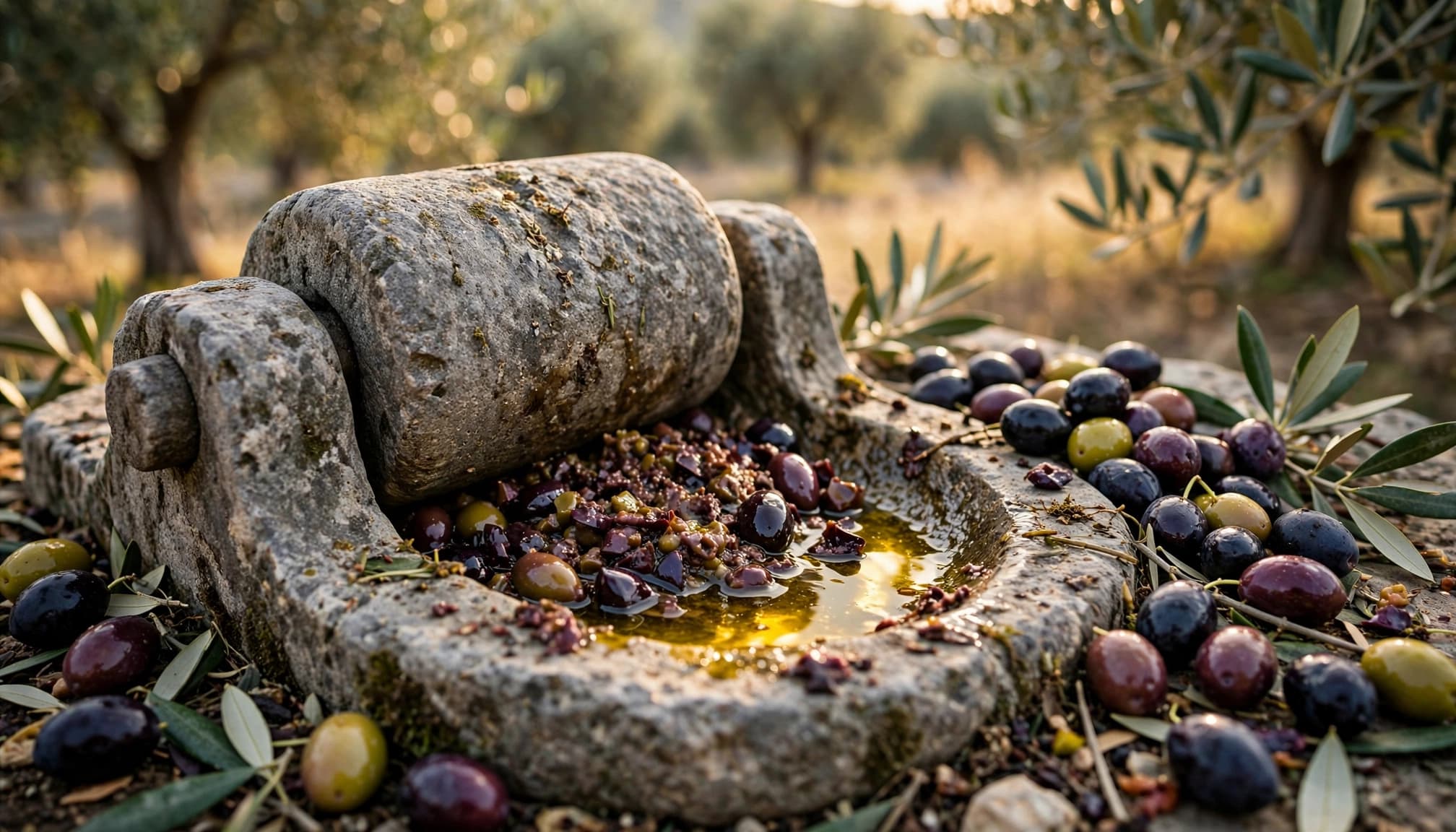
The pressing of olives gives us a picture of brokenness. Ripe olives are crushed and pressed before their oil is released. The message draws our attention to pressure, to the breaking open of something that holds what we're seeking inside.
We can recognize that picture when we've endured trials, disappointment, and tears. Those experiences hurt. Yet God can bring forth something He will use even through the things that have pressed against us.
Crushed flowers releasing fragrance carry the same thought. The encouragement is to keep seeking God through the process. He sees the tears, and we can ask Him for strength instead of giving up under the weight.
The Shepherd Restores the Soul
The illustration of a shepherd applying oil to irritated sheep brings the message close to our daily lives. Irritation, entanglement, and distress become pictures of the things that trouble us and hold us in bondage.
Psalm 23 shows us the Lord's care. He leads, restores, comforts, and provides. His care brings restoration to our soul, including our mind, will, and emotions.
We can bring those parts of ourselves before Him. The relationships that draw us toward sin, the thoughts that torment us, and the emotions we struggle to surrender all belong in that prayer.
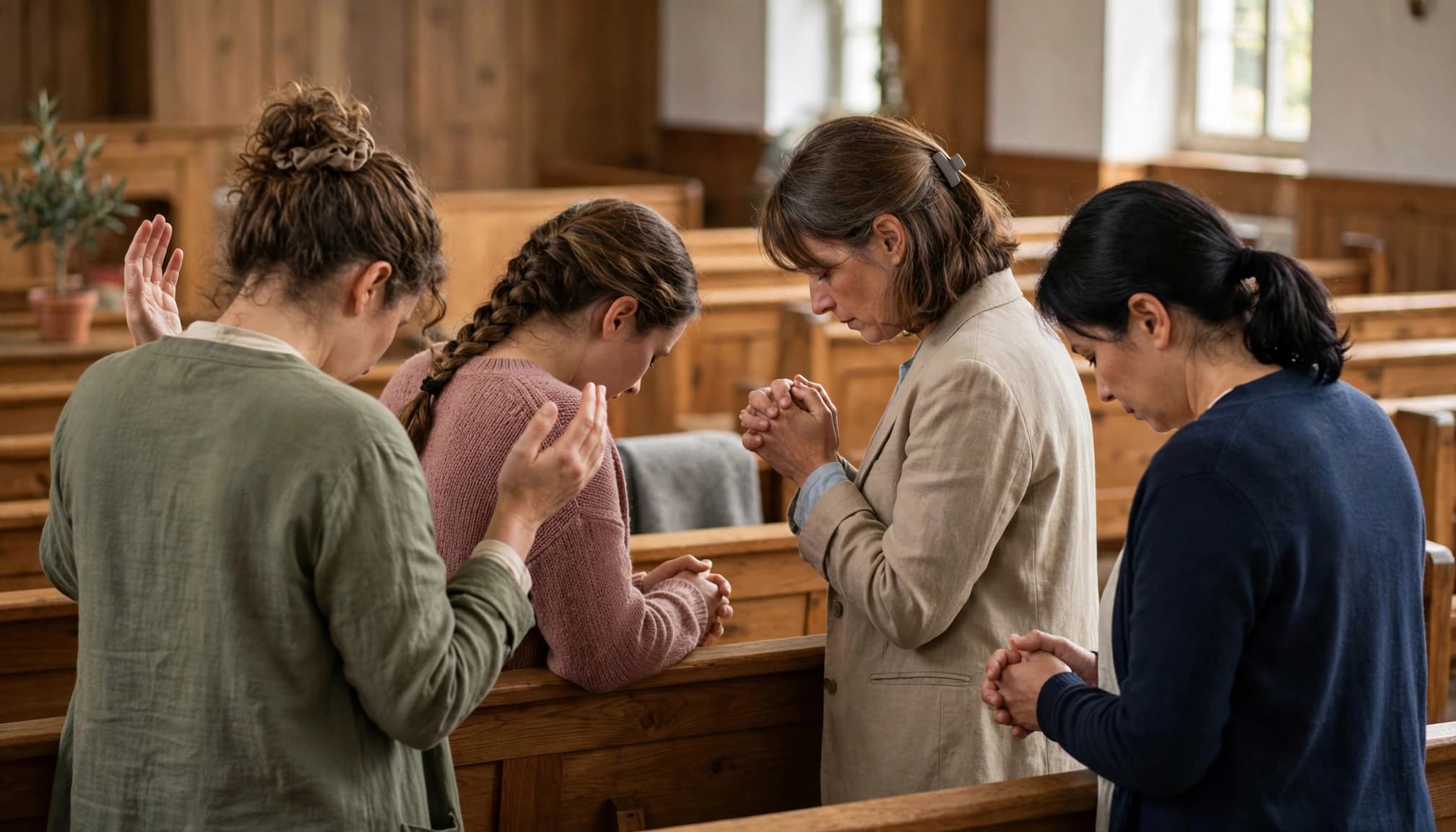
The call to intercession includes morning, noon, and evening. We can kneel, walk while praying, or lift our hands toward the Lord. Each posture gives us a way to express our dependence on Him.
That's why praying in the Holy Spirit belongs in our ordinary lives as well as our gathered worship. People everywhere need prayer.
The parable of the 10 virgins encourages spiritual preparedness and readiness in prayer, not fear.
We also need His refreshing ourselves. Some come before God empty, running on fumes. Others have strength to pour into someone else. We can ask Him both to fill us and to teach us how to give.
Click Our Ad to Support Us!
Teaching the Next Generation to Pray
Hannah's prayer in 1 Samuel 1 connects a mother's intercession with Samuel's beginning. She brought her grief before God, and the son she received would become the prophet who anointed David.
That connection matters when we think about children learning to pray. Mothers can teach Scripture, encourage honesty before God, and help children recognize compassion and discernment as they grow.
We don't have to teach them to hide what they feel. They can bring their actual burdens to the Lord and learn that He hears them.
Forgiveness and a Heart Ready to Surrender
Seeking deliverance calls for honesty and humility. We have to acknowledge bitterness, resentment, and unforgiveness when they've taken root in us.
That reaches painful places, including rejection and wounds carried since childhood. We can ask God to keep those wounds from making us cold and unyielding in His presence.
The prayer is a deliberate surrender: as an act of our will, we forgive those who have disappointed, hurt, harmed, or abused us. We release bitterness and ask the Lord to restore our minds, wills, and emotions.
We want anything hindering our relationship with Him brought into the light.
An Outpouring for Prayer, Service, and Healing
God's promise in Joel 2:28-29 includes sons and daughters, young and old. We honor earlier generations of intercessors and ask for His power in our lives.
James 5:14 describes a sick believer calling church leaders to pray over them and use anointing with oil in the Lord's name. The oil itself doesn't guarantee God will restore health.
We can pray together for cleansing, freedom, healing, and fresh strength. Caregivers need that strength too. The response is to open our hearts, pray for one another, and ask Him to fill us with His Spirit.
Frequently Asked Questions
What does anointing oil mean in the Bible?
Anointing oil is connected with being set apart for God's service. It points to God's power and calling, but the oil itself has no power.
Does a prayer cloth have power?
A prayed-over and anointed cloth can remind us to pray, but the cloth itself has no power. Our confidence belongs in Jesus Christ and His ability to do what we cannot.
How can Psalm 23 guide prayer?
Psalm 23 describes the Lord as one who leads, restores, comforts, and provides. We can bring our minds, wills, and emotions before Him and ask for His care.
Does anointing with oil guarantee healing?
No. James 5:14 describes church leaders praying over a sick believer and anointing them with oil in the Lord's name, but the oil itself doesn't guarantee restored health. We can pray for healing and ask God for strength.
Let the Cup Overflow
The prayer running through this message is simple: "Lord, pour Your oil on us." We bring Him our weariness, our wounds, and our willingness to serve.
We want His presence to shape our prayer lives and reach into our homes and children. The power belongs to God, and we remain dependent on Him.
Related Posts
21st Century Biblical Anointing: Oil, Prophets, and Holy Spirit Baptism Have you ever wondered why the word "anointing" carries so much depth in Scripture? The idea of anointing—of sacred oil poured out on kings, priests, and prophets—echoes through the Old Testament as a symbol of God choosing, empowering, and setting apart. God didn’t leave the details of the anointing oil a mystery: He gave Moses a recipe, specific and holy,…
1 Truth: Blood of Jesus: God's Life in Sinless Flesh What if the very thing running through the veins of Jesus was not just human, but the Blood of Jesus holding the actual life of God Himself, poured out for us? That sounds huge, maybe even hard to take in at first, yet Scripture keeps pulling us back to this one thread: life is in the blood, sin corrupts human…
Reprobate Mind: 5 Warning Signs and Hope for Change The Bible’s take on a reprobate mind isn’t just a warning or a piece of theology. It’s a wake-up call. “Reprobate mind” (from the Greek adokimos, meaning rejected or unapproved) describes what happens when people no longer care about God’s truth—they trade what’s holy for what feels good, grow numb to right and wrong, and God lets go. It’s mentioned…
The Seven Spirits of God stand as one of the most profound and often misunderstood truths in Christian theology. Rooted deeply in Scripture, they aren’t seven separate entities but rather seven attributes of the one Holy Spirit—God revealing Himself in fullness. Isaiah 11:2 describes these [...]
The gifts of the Holy Spirit reveal the active power of God working in the lives of His people. They aren’t just distant historical records or fading Biblical accounts; they’re living because the Holy Spirit, He is living and He is God, and His transformative gifts are reaching people [...]
The phrase “tongues of fire” in Acts 2:3 sparks worldwide curiosity and spiritual wonder. It appears in Scripture to describe the Holy Spirit’s descent during Pentecost, when visible flames rested on the apostles, marking the time when God’s Spirit descended on earth, [...]
The Bible’s take on a reprobate mind isn’t just a warning or a piece of theology. It’s a wake-up call. “Reprobate mind” (from the Greek adokimos, meaning rejected or unapproved) describes what happens when people no longer care about God’s truth—they trade what’s holy for what feels good, grow numb [...]
The upper room, a sacred space in Jerusalem, holds profound significance in Christian history. Acts 2 tells us it is the gathering place for Jesus’ disciples when the Holy Spirit descended upon them during Pentecost. This transformative moment not only empowered those present but also sparked [...]
Pentecost isn’t just a Christian event; its roots stem from the Jewish celebration of Shavuot, the day Moses received the Ten Commandments from God. For Christians, Pentecost marks the moment when God poured out His Spirit and Jesus’ worldwide church empowered by the Holy Spirit and His gifts [...]
Charismatic gifts, often referred to as manifestation gifts, showcase the miraculous power of the Holy Spirit. From healing and miracles to prophecy and discernment, they serve as tangible evidence of God’s presence and transformative work. These gifts, seen throughout Biblical history, have [...]
Revelation 3:7-8 offers a powerful message to the church in Philadelphia, a message that remains relevant today. It speaks of a divine “open door” that no man can shut, given by the one who holds the Key of David. This imagery represents not only an opportunity but also God’s sovereign [...]
Have you ever wondered why the word “anointing” carries so much depth in Scripture? The idea of anointing—of sacred oil poured out on kings, priests, and prophets—echoes through the Old Testament as a symbol of God choosing, empowering, and setting apart. God didn’t leave the details of [...]
The Bible boldly declares the truth that Jesus is both fully God and fully man—a mystery that anchors the Christian faith. But what does it mean, practically, for us as believers? Jesus didn’t perform miracles or operate in the gifts of the Holy Spirit simply as God; He demonstrated how a [...]
The Antichrist
The Apostate Church
The Rapture
Angels
Book of Daniel
Giants
Judgment
Prophecy
The Apostles
Bible Prophecy
Beware of Deception
Sin
Antichrists
Demon Possession
Healing
Millennial Reign
Redemption
The Gospels
The Holy Spirit
American Prophecy
Israel
Armageddon
Forgiveness
Intercession
Prayer
Revival
The Old Testament
The Tribulation
Faith
Kingdom Of God
Bible Interpretation
Free Will
Book Of Jude
Pride
The Afterlife
The Red Dragon
We use cookies so you can have a great experience on our website. View more
Cookies settings
Accept
Decline
Privacy & Cookie policy
Privacy & Cookies policy
Cookies list
Cookie name
Active
Who we are
Our website address is: https://theholyspirit.us.
Comments
When visitors leave comments on the site we collect the data shown in the comments form, and also the visitor’s IP address and browser user agent string to help spam detection.
An anonymized string created from your email address (also called a hash) may be provided to the Gravatar service to see if you are using it. The Gravatar service privacy policy is available here: https://automattic.com/privacy/. After approval of your comment, your profile picture is visible to the public in the context of your comment.
Media
If you upload images to the website, you should avoid uploading images with embedded location data (EXIF GPS) included. Visitors to the website can download and extract any location data from images on the website.
Cookies
If you leave a comment on our site you may opt-in to saving your name, email address and website in cookies. These are for your convenience so that you do not have to fill in your details again when you leave another comment. These cookies will last for one year.
If you visit our login page, we will set a temporary cookie to determine if your browser accepts cookies. This cookie contains no personal data and is discarded when you close your browser.
When you log in, we will also set up several cookies to save your login information and your screen display choices. Login cookies last for two days, and screen options cookies last for a year. If you select "Remember Me", your login will persist for two weeks. If you log out of your account, the login cookies will be removed.
If you edit or publish an article, an additional cookie will be saved in your browser. This cookie includes no personal data and simply indicates the post ID of the article you just edited. It expires after 1 day.
Embedded content from other websites
Articles on this site may include embedded content (e.g. videos, images, articles, etc.). Embedded content from other websites behaves in the exact same way as if the visitor has visited the other website.
These websites may collect data about you, use cookies, embed additional third-party tracking, and monitor your interaction with that embedded content, including tracking your interaction with the embedded content if you have an account and are logged in to that website.
Who we share your data with
If you request a password reset, your IP address will be included in the reset email.
How long we retain your data
If you leave a comment, the comment and its metadata are retained indefinitely. This is so we can recognize and approve any follow-up comments automatically instead of holding them in a moderation queue.
For users that register on our website (if any), we also store the personal information they provide in their user profile. All users can see, edit, or delete their personal information at any time (except they cannot change their username). Website administrators can also see and edit that information.
What rights you have over your data
If you have an account on this site, or have left comments, you can request to receive an exported file of the personal data we hold about you, including any data you have provided to us. You can also request that we erase any personal data we hold about you. This does not include any data we are obliged to keep for administrative, legal, or security purposes.
Where your data is sent
Visitor comments may be checked through an automated spam detection service.