Pre-Born! gives free ultrasounds to women looking to abort their babies and 86% of those women choose to keep their babies!
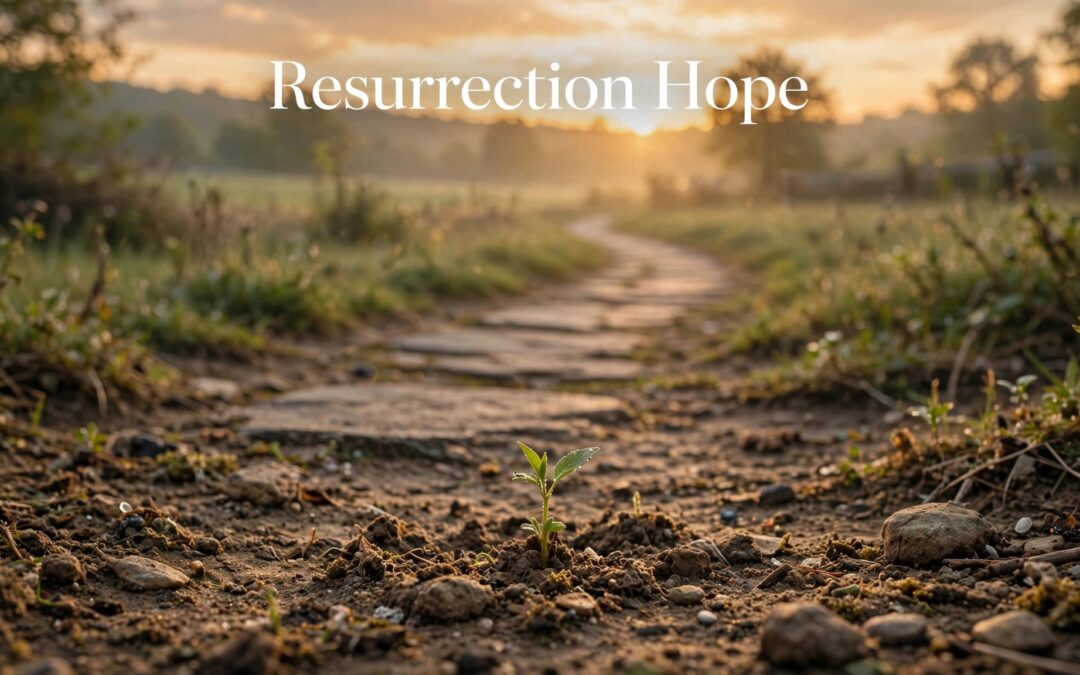
Romans 8:23 means that believers already have the Holy Spirit, yet still await the resurrection and complete redemption of their bodies. His presence assures us that the suffering you see now won't have the final word. God's saving work reaches the whole person, including the body that grows tired, becomes sick, and eventually dies.
We believe this verse gives us permission to acknowledge suffering while holding firmly to God's promise. To understand that comfort, we need to follow Paul's words through the groaning, the waiting, and the glory still ahead.
"Not only so, but we ourselves, who have the firstfruits of the Spirit, groan inwardly as we wait eagerly for our adoption to sonship, the redemption of our bodies."
Paul brings three pictures together: firstfruits, adoption, and redemption. Firstfruits points toward a coming harvest. Adoption speaks of belonging and inheritance. Redemption describes release secured at a cost.
All three explain the same Christian reality. God has already brought believers into a relationship with Himself through Jesus. Salvation has begun, but its full bodily effects still lie ahead.
That helps answer an uncomfortable question. If the Holy Spirit lives within Christians, why do their bodies still suffer? Paul includes both truths in one sentence. The Spirit is present, and bodily redemption is still coming. We don't have to deny either truth to believe the other.
Key Takeaways
The Holy Spirit is the firstfruits of the life and glory God has promised His people.
Believers groan because they still experience weakness, suffering, and death while awaiting bodily resurrection.
Adoption is already a present relationship with God, but its complete, public expression awaits Christ's return.
The redemption of the body means resurrection and transformation, not escape into a permanently bodiless existence.
We can pray for healing, seek the Spirit's filling, and serve Jesus while patiently awaiting the completion of redemption.
How the Surrounding Passage Explains the Verse
Paul's sentence begins with "Not only so." Those words connect Christians' experience to something he has already described.
Creation groans before believers do
In Romans 8:20-25, creation is subjected to frustration and decay, yet it remains under a promise of liberation. Paul pictures the whole creation groaning together like a woman experiencing childbirth.
Then he includes believers. God's people belong to a suffering creation, even though they have received His Spirit.
The connection matters. Physical weakness doesn't place Christians outside Paul's description of Spirit-filled life. He expects them to feel the weight of a world that still suffers under corruption.
Future glory answers present suffering
Earlier in the chapter, Paul describes Christians as God's children and fellow heirs with Christ. He also speaks openly about suffering with Christ before sharing His glory.
That is the setting for this verse. Paul isn't explaining how to avoid every painful experience. He's explaining why suffering cannot exhaust what God has promised.
We should hold that order carefully. Present trouble is real. Future glory is also real. The Spirit enables Christians to remain faithful while those two realities stand beside each other.
What “Firstfruits of the Spirit” Means
The first portion of the harvest
In Israel's worship, the firstfruits were the first portion of the harvest brought to God. The offering acknowledged His provision and His claim upon the harvest.
The first portion wasn't the whole crop. It was the beginning of something larger.
Paul uses that familiar agricultural picture to describe the Spirit's presence in believers. God has already given the beginning of the life that will reach its fullness in glory. The coming harvest includes the redemption of their bodies.
The image invites confidence because the God who gives the Spirit is also the God who promises the completion.
The Spirit Himself is the present gift
We shouldn't hear "firstfruits" and imagine that Christians receive a small fraction of the Holy Spirit. He is a divine Person, and His indwelling presence is with His people.
What remains incomplete is our experience of the salvation He brings. They know forgiveness, new life, fellowship with God, and His work within them. They still await freedom from mortality and decay.
We believe His gifts remain active in the church. Even wonderful experiences of His power are a foretaste of the fullness God has promised.
There is more ahead than even the strongest encounter with His presence can contain.
An engagement ring points toward a wedding that hasn't happened yet. The promise has entered the present, even though its fulfillment remains ahead.
That comparison helps, provided we remember its limit. Human promises can fail. God's promise rests on His own faithfulness.
The Spirit's presence gives Christians reason to trust God while they wait. A difficult season doesn't make His pledge less real. Neither does an absence of strong emotion.
We encourage you to seek His presence without turning your feelings into the final measure of His faithfulness.
Why Believers Groan Inwardly
This groaning belongs to people who have the Spirit
Notice who is groaning. Paul includes himself among those who already possess the firstfruits of the Spirit.
Unbelievers certainly experience pain, but Paul is addressing Christians here. Their groaning rises within a relationship with God and an expectation of redemption.
The Greek word stenazomen means "we groan" or "we sigh." It describes the burden of an unfinished condition.
A Christian can love Jesus and still ache under illness, bereavement, exhaustion, or the struggle against sin. Paul doesn't treat that ache as proof that the Spirit is absent.
Longing can grow out of faith
Why would someone who has received so much still groan? Because receiving the beginning can increase our desire for the fullness.
Knowing God's goodness makes death's cruelty more painful. Experiencing His holiness makes sin more grievous. Receiving His love awakens a longing for life without separation or decay.
We shouldn't romanticize suffering, but neither should we shame a believer for longing for its end.
Possessing the Spirit and awaiting bodily redemption belong in the same sentence. Physical weakness doesn't cancel God's pledge.
There is a difference between surrendering to despair and bringing your sorrow before the Father. This verse gives language to faithful longing.
Creation’s Groaning Points Toward Birth
Paul compares creation's groaning to childbirth. That is an important choice of imagery. Birth pains are painful, but they also point toward something coming.
The world around you bears the marks of decay. Living things weaken and die. The creation God made good remains subject to corruption.
Believers experience that condition in their own bodies. Their groaning joins creation's groaning, but their hope has a clear foundation: God has promised liberation.
We should be careful here. Paul isn't saying every tragedy carries an explanation we can identify. Nor does he ask suffering people to call evil good.
He gives suffering a boundary. Decay will not rule God's creation forever.
That also keeps Christian hope wider than private spiritual comfort. God intends to address the corruption that afflicts His creation, and the revelation of His children belongs within that purpose.
The picture is large enough to include both the world outside your window and the mortal body in which you live.
How Adoption Can Be Present and Future
Believers already belong to the Father
In Romans 8:15, Paul says believers have received the Spirit of adoption, through whom they cry, "Abba, Father." The following verse adds the Spirit's witness that they are God's children.
So why does he later say they await adoption?
Because adoption has a present reality and a future completion. Through faith in Jesus, Christians already belong to God's family. They approach the Father as His children.
Our explanation of the Spirit of adoption considers that present relationship and the assurance it brings.
Their family identity will be fully revealed
The Greek term huiothesian refers to adoption, often explained as placing someone in the position of a son.
In Paul's world, adoption involved recognized family standing and inheritance. His language emphasizes a genuine relationship with real privileges.
Christians await the public and complete expression of that relationship when Christ returns. Their redeemed bodies will agree fully with the inheritance already promised to them.
That future doesn't suggest the Father is undecided about whether to receive them. He has already welcomed them through Christ.
What remains ahead is the fullness of what belonging to Him includes.
Why Translations Say “Sons” or “Sonship”
English translations emphasize different parts of Paul's adoption language.
Translation
Wording or emphasis
NIV
"Adoption to sonship"
ESV
"Adoption as sons"
NASB 1995
"Adoption as sons"
NASB 2020
"Adoption as sons and daughters"
NLT
Full rights as adopted children, including promised new bodies
The difference between the NASB editions matters. The NASB 2020 uses "sons and daughters," while the NASB 1995 uses "sons."
Why retain "sons" at all? In Paul's setting, sonship described the standing of an heir. The word highlights inheritance in a way that "children" may not communicate as directly.
Click Our Ad to Support Us!
Women aren't excluded from the promise. Paul describes the family standing and inheritance given to all Christians in Christ.
The NLT draws out the physical implication by describing release from sin and suffering and the bodies God has promised. That makes the meaning accessible, though the translation explains more of the sentence.
Reading these renderings together highlights relationship, inheritance, and bodily transformation without suggesting different promises for different Christians.
What “The Redemption of Our Bodies” Means
Redemption includes release from mortality
The Greek word apolytrōsin refers to redemption or release secured through ransom. In this sentence, Paul applies redemption to the body.
Jesus has secured salvation through His death and resurrection. Believers still await the complete bodily effects of that victory.
Their bodies remain vulnerable to sickness, aging, weakness, and death. Bodily redemption means that condition will end.
Salvation includes more than forgiveness of sins. God intends to complete His saving work in the whole person.
In 1 Corinthians 15:42-44, Paul describes a body sown in corruption, dishonor, and weakness, then raised in incorruption, glory, and power.
He also speaks of a "spiritual body." That phrase doesn't mean an imaginary body or a person reduced to a ghost. Paul is describing resurrection life governed by God's Spirit.
The body that dies has a future in God's redeeming purpose. Scripture promises transformation without giving every detail about that transformed existence.
We can acknowledge those limits without weakening the promise. Death will lose its hold, and bodily weakness will no longer define life.
Jesus’ Resurrection Shows Where This Promise Leads
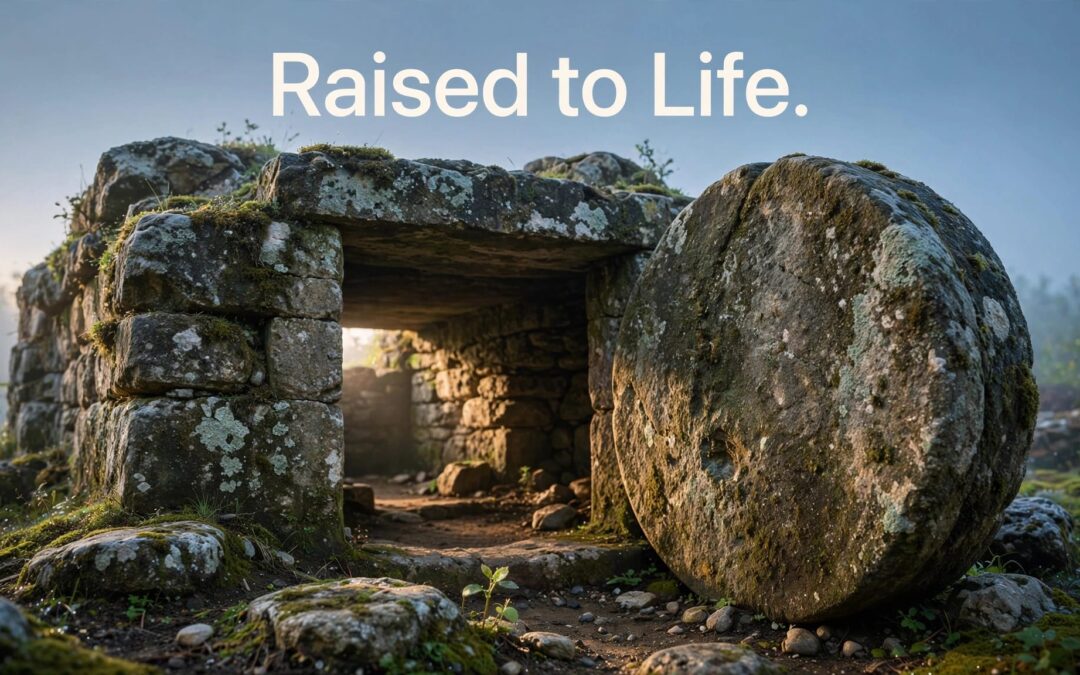
A garden tomb illustrates the burial setting, rather than an identified Biblical site.
Paul calls the risen Jesus the firstfruits of those who have died. His resurrection begins the greater resurrection harvest.
Jesus rose bodily. The Savior who was crucified is the Savior who lives, and His victory gives substance to the promise of bodily redemption.
Later in his discussion of resurrection, Paul describes the dead being raised imperishable and living Christians being changed. Mortality will be clothed with immortality.
In Philippians 3, he connects that transformation with believers eagerly awaiting Jesus Christ, who will conform their lowly bodies to His glorious body.
When will bodily redemption happen? At Christ's return, when He transforms believers' bodies in the promised glorification.
We don't need to settle every debated detail of an end-times timetable to receive that promise. The central truth is clear: the risen Lord will complete the redemption of those who belong to Him.
The grave has an end because Jesus has already overcome death.
Why Hope Requires Patient Waiting
The sentences following the verse explain the waiting. Paul says believers were saved in hope, and hope concerns what they don't yet see.
Read together, Romans 8:22-25 connects creation's groaning, the Spirit's firstfruits, bodily redemption, and perseverance.
Biblical hope rests on God's promise. It reaches toward a future He has pledged, even while the evidence of weakness remains painfully visible.
The expression apekdechomenoi describes eager waiting. Paul holds expectation and endurance together.
That means patience doesn't require indifference. You can eagerly await Christ's return while continuing faithfully in the responsibilities He has given you.
We shouldn't confuse confidence with impatience toward God. He has told us what He will complete, but He hasn't placed the timing under our control.
Waiting becomes an act of trust when you continue to obey Him without possessing everything He has promised.
A weary believer may have little excitement left. Even then, hope can remain active through another honest prayer, another act of obedience, and another decision to trust His Word.
How the Spirit Helps in the Groaning
Weakness doesn’t silence His ministry
A few verses later, Paul says the Spirit helps Christians in their weakness and intercedes with groanings beyond words.
The movement is tender. Creation groans, Christians groan, and the Spirit meets them in their weakness.
Paul also uses groaning language in his second letter to the Corinthians, where he describes longing for a heavenly dwelling and for mortality to be swallowed up by life. The longing is for the fullness God has prepared.
We believe in praying in tongues and in the continuing gifts of the Holy Spirit. However, Paul's assurance of the Spirit's intercession shouldn't be restricted to one spiritual gift.
His emphasis is the Spirit's help when Christians cannot adequately express their need.
That matters when grief leaves you without a sentence, or exhaustion makes sustained prayer difficult. The Spirit's ministry doesn't depend upon your ability to explain everything clearly.
You can come before the Father with what you have. Sometimes that includes words. Sometimes it includes tears and a simple request for help.
We should seek the Spirit's filling with expectation while remembering that dependence, rather than performance, belongs at the heart of prayer.
How to Live While Awaiting Bodily Redemption
Pray for healing without condemning the suffering
We believe God still heals, and we encourage prayer with faith and expectation. The future promise of resurrection doesn't make present suffering unimportant.
At the same time, this verse doesn't promise complete freedom from physical weakness before Christ returns.
A continuing illness doesn't establish that someone lacks the Holy Spirit. Receiving medical care doesn't contradict dependence upon God. Believers can seek His touch and receive appropriate care while holding firmly to resurrection hope.
We should be careful with suffering people. They need prayer, practical love, and truthful encouragement, rather than accusations built upon assumptions.
Seek His filling and practice faithful obedience
Every person who belongs to Christ has His Spirit. His presence isn't a prize reserved for spiritually advanced Christians.
We also believe Christians should seek baptism in the Holy Spirit and His continuing filling for witness and service. Those truths belong together without making a dramatic experience the requirement for belonging to Jesus.
Waiting for bodily redemption also gives purpose to present obedience. The body God intends to redeem matters now.
Use your strength to serve where you can. Rest when you need rest. Turn away from sin, share the Gospel, and offer practical care to others.
Does inward groaning mean a believer has weak faith?
Groaning alone doesn't establish weak faith. Paul includes himself among Christians who have the Spirit and still groan.
The question is where that suffering takes you. Faith can bring pain honestly before God while continuing to trust His promise. You don't have to sound cheerful in every prayer to approach Him sincerely.
Does bodily redemption happen when a Christian dies?
Death and bodily resurrection are distinct. Christians who die belong to the Lord, but Paul's promise here concerns the future resurrection and transformation of the body.
That is why Christian hope reaches beyond comfort about life after death. God has promised to overcome death's effects upon the body itself.
Does this verse promise that every person will be saved?
Paul identifies the people in view as those who possess the Spirit. His promise of adoption and bodily redemption concerns believers who belong to Christ.
The passage gives assurance within that relationship. It also gives urgency to sharing the Gospel, because the hope Paul describes is received through Jesus, not through human effort or religious appearance.
Hope for the Body That Still Groans
The Holy Spirit's presence and a suffering body can exist together. Romans 8:23 places them side by side and directs us toward completed redemption.
We can pray honestly, seek His filling, and trust Him without pretending that pain has disappeared. Jesus has risen bodily, and the Spirit within His people is God's pledge that their future is secure in Him.
Bring the weakness you carry before the Father. The body that groans today has not fallen outside the reach of His redeeming promise.
Related Posts
Romans 8:23 Explained: Groaning With Resurrection Hope Romans 8:23 means that believers already have the Holy Spirit, yet still await the resurrection and complete redemption of their bodies. His presence assures us that the suffering you see now won't have the final word. God's saving work reaches the whole person, including the body that grows tired, becomes sick, and eventually dies. We believe this verse gives us…
The Spirit Who Will Raise Believers The Holy Spirit gives life, and the God who raised Jesus will also raise those who belong to Him. Scripture credits the Father, declares the Son's authority over His own life, and connects resurrection with the Spirit's life-giving work. That gives us something solid when our bodies grow tired and death feels painfully close. Our hope rests on God's faithfulness,…
1 Truth: Blood of Jesus: God's Life in Sinless Flesh What if the very thing running through the veins of Jesus was not just human, but the Blood of Jesus holding the actual life of God Himself, poured out for us? That sounds huge, maybe even hard to take in at first, yet Scripture keeps pulling us back to this one thread: life is in the blood, sin corrupts human…
The Seven Spirits of God stand as one of the most profound and often misunderstood truths in Christian theology. Rooted deeply in Scripture, they aren’t seven separate entities but rather seven attributes of the one Holy Spirit—God revealing Himself in fullness. Isaiah 11:2 describes these [...]
The gifts of the Holy Spirit reveal the active power of God working in the lives of His people. They aren’t just distant historical records or fading Biblical accounts; they’re living because the Holy Spirit, He is living and He is God, and His transformative gifts are reaching people [...]
The phrase “tongues of fire” in Acts 2:3 sparks worldwide curiosity and spiritual wonder. It appears in Scripture to describe the Holy Spirit’s descent during Pentecost, when visible flames rested on the apostles, marking the time when God’s Spirit descended on earth, [...]
The Bible’s take on a reprobate mind isn’t just a warning or a piece of theology. It’s a wake-up call. “Reprobate mind” (from the Greek adokimos, meaning rejected or unapproved) describes what happens when people no longer care about God’s truth—they trade what’s holy for what feels good, grow numb [...]
The upper room, a sacred space in Jerusalem, holds profound significance in Christian history. Acts 2 tells us it is the gathering place for Jesus’ disciples when the Holy Spirit descended upon them during Pentecost. This transformative moment not only empowered those present but also sparked [...]
Pentecost isn’t just a Christian event; its roots stem from the Jewish celebration of Shavuot, the day Moses received the Ten Commandments from God. For Christians, Pentecost marks the moment when God poured out His Spirit and Jesus’ worldwide church empowered by the Holy Spirit and His gifts [...]
Charismatic gifts, often referred to as manifestation gifts, showcase the miraculous power of the Holy Spirit. From healing and miracles to prophecy and discernment, they serve as tangible evidence of God’s presence and transformative work. These gifts, seen throughout Biblical history, have [...]
Revelation 3:7-8 offers a powerful message to the church in Philadelphia, a message that remains relevant today. It speaks of a divine “open door” that no man can shut, given by the one who holds the Key of David. This imagery represents not only an opportunity but also God’s sovereign [...]
Have you ever wondered why the word “anointing” carries so much depth in Scripture? The idea of anointing—of sacred oil poured out on kings, priests, and prophets—echoes through the Old Testament as a symbol of God choosing, empowering, and setting apart. God didn’t leave the details of [...]
The Bible boldly declares the truth that Jesus is both fully God and fully man—a mystery that anchors the Christian faith. But what does it mean, practically, for us as believers? Jesus didn’t perform miracles or operate in the gifts of the Holy Spirit simply as God; He demonstrated how a [...]
The Antichrist
The Apostate Church
The Rapture
Angels
Book of Daniel
Giants
Judgment
Prophecy
The Apostles
Bible Prophecy
Beware of Deception
Sin
Antichrists
Demon Possession
Healing
Millennial Reign
Redemption
The Gospels
The Holy Spirit
American Prophecy
Israel
Armageddon
Forgiveness
Intercession
Prayer
Revival
The Old Testament
The Tribulation
Faith
Kingdom Of God
Bible Interpretation
Free Will
Book Of Jude
Pride
The Afterlife
The Red Dragon
We use cookies so you can have a great experience on our website. View more
Cookies settings
Accept
Decline
Privacy & Cookie policy
Privacy & Cookies policy
Cookies list
Cookie name
Active
Who we are
Our website address is: https://theholyspirit.us.
Comments
When visitors leave comments on the site we collect the data shown in the comments form, and also the visitor’s IP address and browser user agent string to help spam detection.
An anonymized string created from your email address (also called a hash) may be provided to the Gravatar service to see if you are using it. The Gravatar service privacy policy is available here: https://automattic.com/privacy/. After approval of your comment, your profile picture is visible to the public in the context of your comment.
Media
If you upload images to the website, you should avoid uploading images with embedded location data (EXIF GPS) included. Visitors to the website can download and extract any location data from images on the website.
Cookies
If you leave a comment on our site you may opt-in to saving your name, email address and website in cookies. These are for your convenience so that you do not have to fill in your details again when you leave another comment. These cookies will last for one year.
If you visit our login page, we will set a temporary cookie to determine if your browser accepts cookies. This cookie contains no personal data and is discarded when you close your browser.
When you log in, we will also set up several cookies to save your login information and your screen display choices. Login cookies last for two days, and screen options cookies last for a year. If you select "Remember Me", your login will persist for two weeks. If you log out of your account, the login cookies will be removed.
If you edit or publish an article, an additional cookie will be saved in your browser. This cookie includes no personal data and simply indicates the post ID of the article you just edited. It expires after 1 day.
Embedded content from other websites
Articles on this site may include embedded content (e.g. videos, images, articles, etc.). Embedded content from other websites behaves in the exact same way as if the visitor has visited the other website.
These websites may collect data about you, use cookies, embed additional third-party tracking, and monitor your interaction with that embedded content, including tracking your interaction with the embedded content if you have an account and are logged in to that website.
Who we share your data with
If you request a password reset, your IP address will be included in the reset email.
How long we retain your data
If you leave a comment, the comment and its metadata are retained indefinitely. This is so we can recognize and approve any follow-up comments automatically instead of holding them in a moderation queue.
For users that register on our website (if any), we also store the personal information they provide in their user profile. All users can see, edit, or delete their personal information at any time (except they cannot change their username). Website administrators can also see and edit that information.
What rights you have over your data
If you have an account on this site, or have left comments, you can request to receive an exported file of the personal data we hold about you, including any data you have provided to us. You can also request that we erase any personal data we hold about you. This does not include any data we are obliged to keep for administrative, legal, or security purposes.
Where your data is sent
Visitor comments may be checked through an automated spam detection service.